This was the first edition of the monthly tea club. I had no trouble with shipping to the EU or additional fees and it arrived promptly.
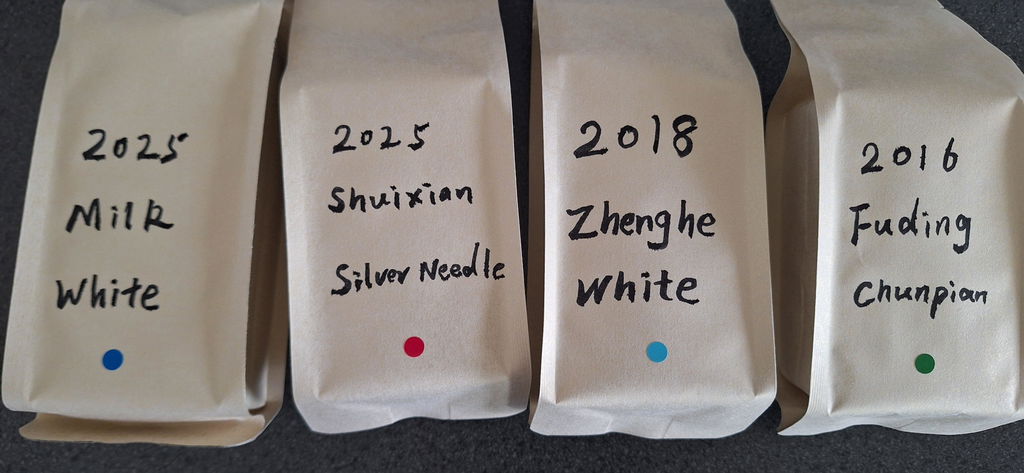
The letter explained the teas that were in the subscription that month and included some background information.
It's a great way to get to know new teas. I am happy with the setup that they have for the makeup of the subscription.
I like the fact that there's always a possible oddball or outlier in the mix.
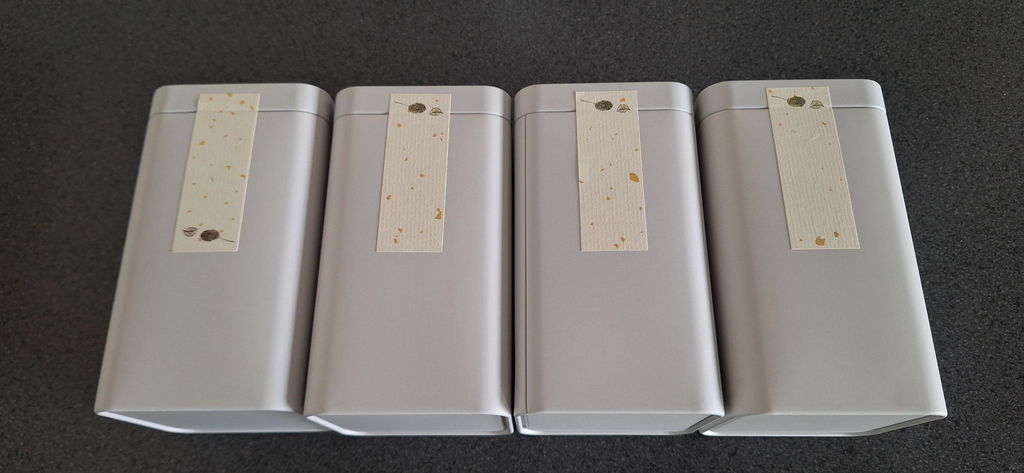
They provided the tea in good quality tins that close well, the tea came pre-sealed bags and included seals in order to re-seal the packaging afterwards.
This gives you the choice re-seal or to just use the tin. I added some colored dots to more easily identify between tins since they were all unmarked.
I was missing the brewing temps on both the tea packaging and in the letter but that's something that could be improved for future subscriptions.
The quality and amount of the teas was fair. I felt like I was able to finish the amount of tea before the next subscription lands.
This edition was a bit of a mixed bag for me since I've already had two of the teas being quite an active ORT tea buyer, but that included one of my favorite recent white teas that's not available in the shop but one I have had many samples of included with my previous orders. I'm sure that will less often be the case on future editions so don't take that as a negative.
Overall very happy with the first edition and looking forward to the next one.